Fund Manager: Economy is Totally Fake, Deep Crash Coming
Singer’s Elliott Says U.S. Growth Optimism Unwarranted as Data ‘Cooked’
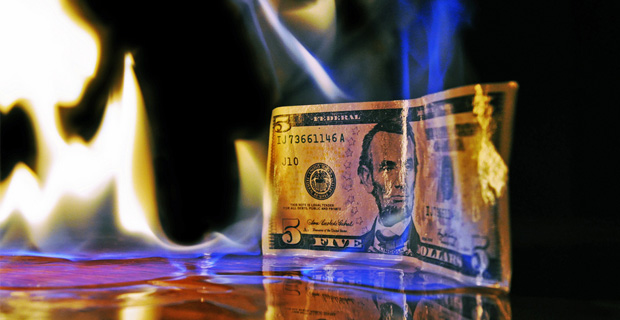
Paul Singer’s Elliott Management Corp. said optimism on U.S. growth is misguided as economic data understate inflation and overstate growth, and central bank policies of the past six years aren’t sustainable.
The market turmoil in the first half of October may be a “coming attractions” for the next real crash that could turn into a “deep financial crisis” if investors lose confidence in the effectiveness of monetary stimulus, Elliott wrote in a third-quarter letter to investors, a copy of which was obtained by .
“Nobody can predict how long governments can get away with fake growth, fake money, fake jobs, fake financial stability, fake inflation numbers and fake income growth,” New York-based Elliott wrote. “When confidence is lost, that loss can be severe, sudden and simultaneous across a number of markets and sectors.”
Six years of near-zero and three rounds of asset purchases by the have fueled economic growth and helped U.S. stocks more than triple from their 2009 low when including dividends. The stock market has rebounded 8.3 percent through yesterday from a six-month low on Oct. 15, fueled by better-than-forecast economic data and improving earnings reports.
Republican Backer
The 70-year-old Singer, one of the biggest backers of Republican politicians, reiterated criticism that monetary policies won’t create lasting growth. While the U.S. is doing better than the rest of the world, the acceleration in the second quarter only reversed a “terrible” first quarter and has yet to be sustained in the remainder of the year, Elliott wrote.
“We do not think this optimism is warranted, and we think a lot of the data is cooked or misleading,” Elliott, which manages $25.4 billion and was founded by Singer in 1977, wrote. “A good deal of the economic and since the crisis has been fake growth, with very little chance of being self-reinforcing and sustainable.”
Elliott said that the reported growth numbers are too high because the official inflation number is understating actual inflation by as much as 1 percent a year. That’s because economists focus on measures such as or make “hedonic adjustments” for improvements in the quality of . Inflation is also distorted “by the increasing gap between the spending basket of the well-off and that of the middle class,” the firm said.
Bonds, Art
“The inflation that has infected asset prices is not to be ignored just because the middle-class spending bucket is not rising in price at the same rates as high-end real estate, stocks, bonds, art and other things that benefit from” quantitative easing, Elliott wrote.
Stephen Spruiell, a spokesman for Elliott, declined to comment on the letter.
The , at 5.9 percent in September, doesn’t reflect that the workforce participation rate is at a 35-year low, according to Elliott, and that full-time jobs have been replaced by part-time jobs, and high-paying jobs by relatively low-paying jobs. Real wages, the firm said, have been stagnant since the financial crisis.
The economy grew 2.3 percent in the year ended in September, compared with an average 2.9 percent advance in the four years before the past recession began, according to figures from the Commerce Department. It’s forecast to grow 2.2 percent this year and 3 percent in 2015, according to the median estimate of economists surveyed by Bloomberg last month.


Social Media