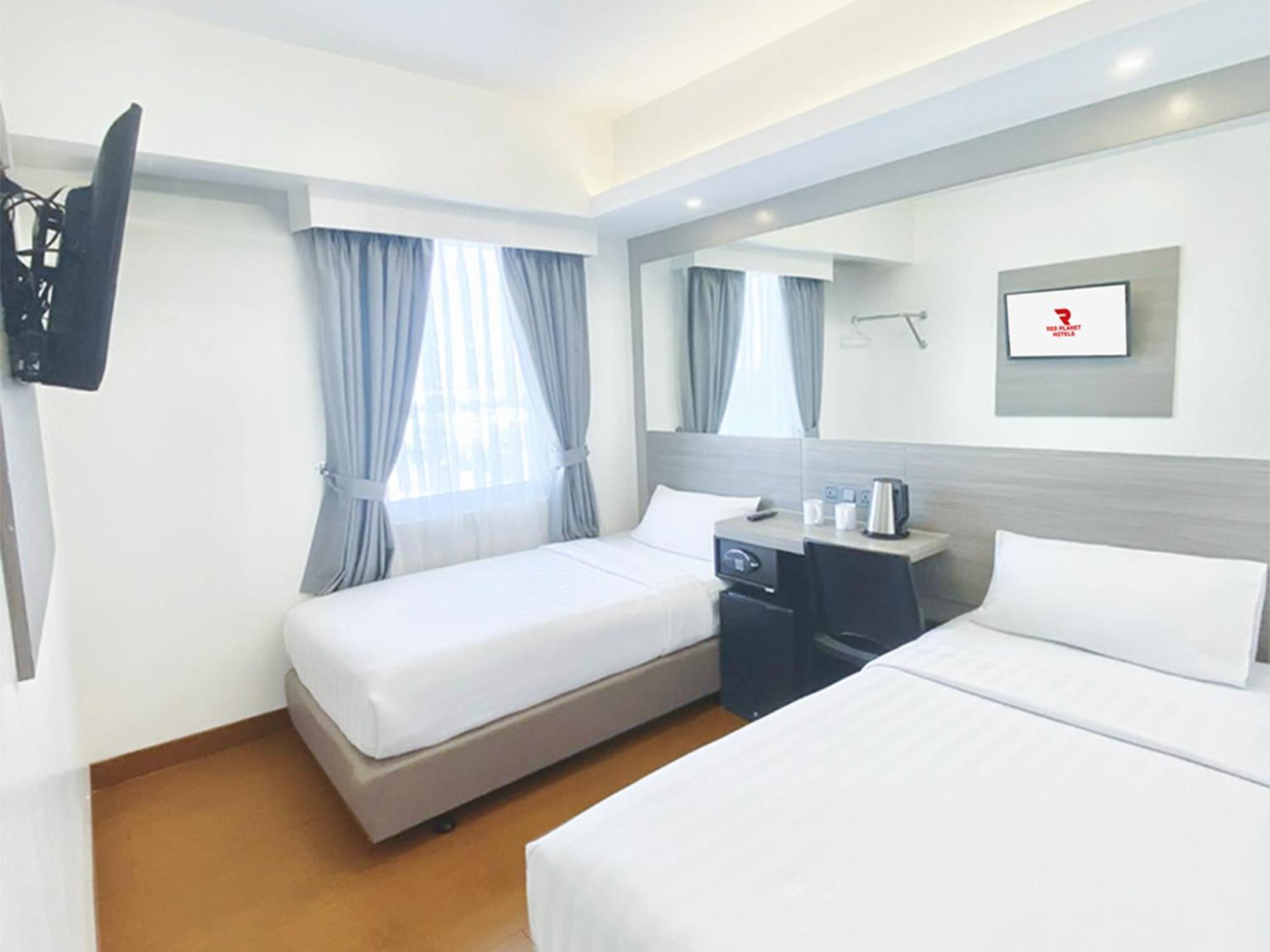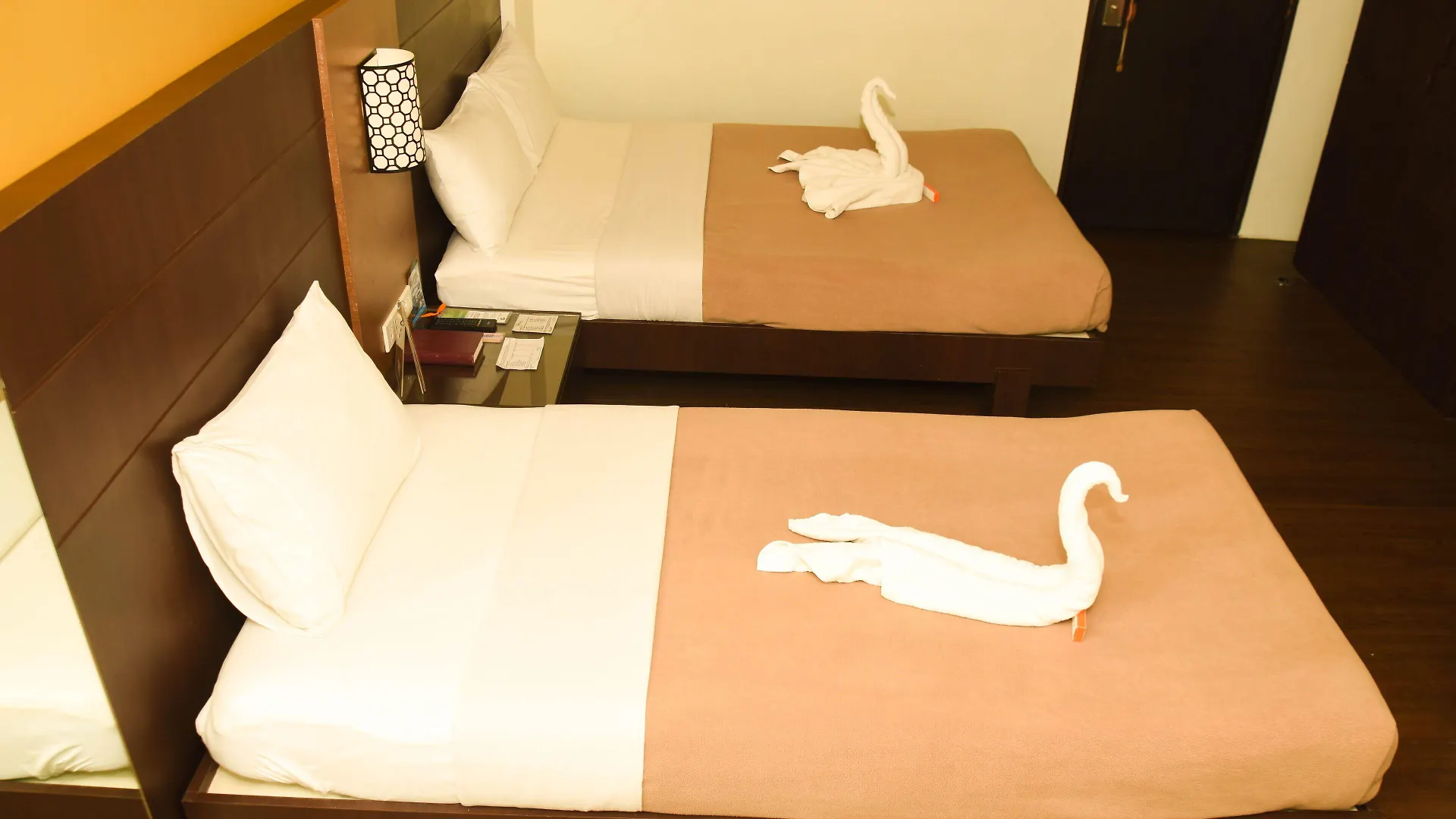
The Philippines spans over 7,600 islands, and choosing where to stay - and what level of comfort to book - can define the entire trip. This guide covers four standout luxury hotels across different regions, from Leyte and Zambales to Southern Leyte and Mindoro, giving you a concrete comparison of what each property actually delivers before you book.
What It's Like Staying in the Philippines
The Philippines is one of Southeast Asia's most geographically diverse destinations, combining volcanic landscapes, UNESCO-listed rice terraces, coral-rich dive sites, and colonial-era city centres - all within the same archipelago. Tourism is heavily concentrated in a handful of islands like Palawan, Boracay, and Cebu, which means lesser-known destinations such as Zambales or Southern Leyte offer dramatically different crowd levels and a more grounded experience. Visitor numbers spike significantly between December and April, which aligns with the dry season across most of the country.
Pros:
- Extraordinary marine biodiversity - the Philippines sits inside the Coral Triangle, making it one of the top scuba diving destinations on the planet
- English is widely spoken across all islands, reducing friction for international travellers when navigating transport, food, and hotel services
- Regional diversity means you can move from mountain provinces to beach destinations within a few hours by domestic flight
Cons:
- Inter-island travel relies heavily on domestic airlines and ferries, and delays are common - especially during typhoon season from June to November
- Infrastructure in less-visited provinces can be patchy, with limited road quality and unreliable power in more remote areas
- Around 20 typhoons make landfall annually, which makes travel insurance and flexible bookings non-negotiable for visits outside the dry season
Why Choose Luxury Hotels in the Philippines
Luxury accommodation in the Philippines occupies a distinct niche: properties often combine boutique scale with high-end finishes, meaning you rarely get the anonymous, high-rise experience common in other Asian markets. In provincial locations - Padre Burgos, Calapan, or coastal Zambales - a 4- or 5-star property frequently means private beach access, a pool, and full restaurant service at rates well below comparable beachfront resorts in Thailand or Bali. Room service, air conditioning, and free WiFi are standard at this tier, but the real differentiator in the Philippines is location-specific access: reef proximity, mountain views, or beachfront positioning that budget accommodation in the same area simply cannot offer.
Pros:
- Luxury hotels in the Philippines often sit directly on or adjacent to protected marine areas, giving guests immediate snorkelling or diving access without arranging day tours
- Properties in less-touristy provinces tend to have a higher staff-to-guest ratio, translating into more attentive, personalised service compared to resort hubs
- On-site restaurants at this level typically serve both local Filipino cuisine and international options, reducing the need to leave the property for quality meals
Cons:
- Some luxury properties in provincial areas are not walkable to town centres, making you reliant on hotel transport or tricycles for off-property movement
- Airport transfers to remote luxury resorts can add significant time - around 3 hours by road in some cases - so arrival logistics require planning
- During peak season (December to March), even luxury properties in popular corridors book out weeks in advance, limiting last-minute flexibility
Practical Booking & Area Strategy
The Philippines rewards travellers who match their accommodation to a specific regional goal rather than treating the country as a single destination. Tacloban in Eastern Visayas is the gateway to Leyte's WWII history, including the MacArthur Landing Memorial, and suits travellers combining cultural sightseeing with city-based comfort. Padre Burgos in Southern Leyte is one of the most underrated dive destinations in the country, with whale shark encounters accessible from shore and far fewer crowds than Oslob. Calapan in Oriental Mindoro serves as the main entry point to Puerto Galera, a top diving hub around 45 minutes away by road and bangka, making it a strong strategic base. Sinabacan in Zambales offers beachfront access within driving distance of Manila - roughly 3 hours north - which makes it viable for weekend breaks without the need for a domestic flight. Book at least 6 weeks ahead for December to February travel, particularly in dive-focused or beach destinations where quality rooms at this tier are limited.
Luxury Hotels in Visayas
The Visayas region spans central Philippines and includes some of the country's most historically significant and ecologically rich destinations. These properties offer luxury-tier comfort in areas that remain largely off the mass-tourism circuit.
-
1. Tacloban Plaza Hotel
Show on map


 Check-infrom 14:00 until 17:00Check-outfrom 11:00 until 12:00
Just a few rooms left at the best rate!
fromPHP 2374
-
2. Burgos Reef Boutique Resort
Show on map


 Check-infrom 14:00 until 23:00Check-outuntil 12:00
Just a few rooms left at the best rate!
fromPHP 7497
Luxury Hotels in Luzon
Luzon's western coast and Mindoro island offer a different entry point into Philippine luxury travel - closer to Manila, more accessible by road or short ferry crossing, and suited to travellers with tighter schedules who still want a high-quality stay.
-
3. Sunbloom Beachfront Hotel And Restaurant Zambales
Show on map


 Check-infrom 14:00 until 22:00Check-outuntil 12:00
Hurry – almost gone at this price!
fromPHP 3124
-
4. Casa Estela Boutique Hotel & Cafe
Show on map


 Check-infrom 13:00 until 23:59Check-outuntil 11:00
Rooms filling fast – secure the best rate!
fromPHP 3936
Smart Travel & Timing Advice for the Philippines
The Philippines has a split personality when it comes to travel seasons, and timing your stay at a luxury property correctly can significantly affect both cost and experience. The dry season runs from December to May across most of the country, with the peak of peak sitting between December and February when international visitor numbers are highest and room rates at beachfront and island resorts climb sharply. If you're targeting Zambales or Calapan, March and April offer dry weather with slightly lower crowd pressure than January and February. Southern Leyte's dive season is broadly year-round, but thresher shark sightings at Padre Burgos peak between March and May. For Tacloban and Eastern Visayas, June through August brings a higher typhoon risk, and while rates drop, travel disruption becomes a genuine logistical concern. Book luxury rooms at least 6 weeks out for any December to February travel - provincial properties have limited inventory, and the gap between available rooms and demand at this tier is narrower than in major resort hubs. Mid-week arrivals consistently offer better flexibility and occasionally lower rates than weekend check-ins, particularly at beachfront properties in Zambales catering to the Manila market.