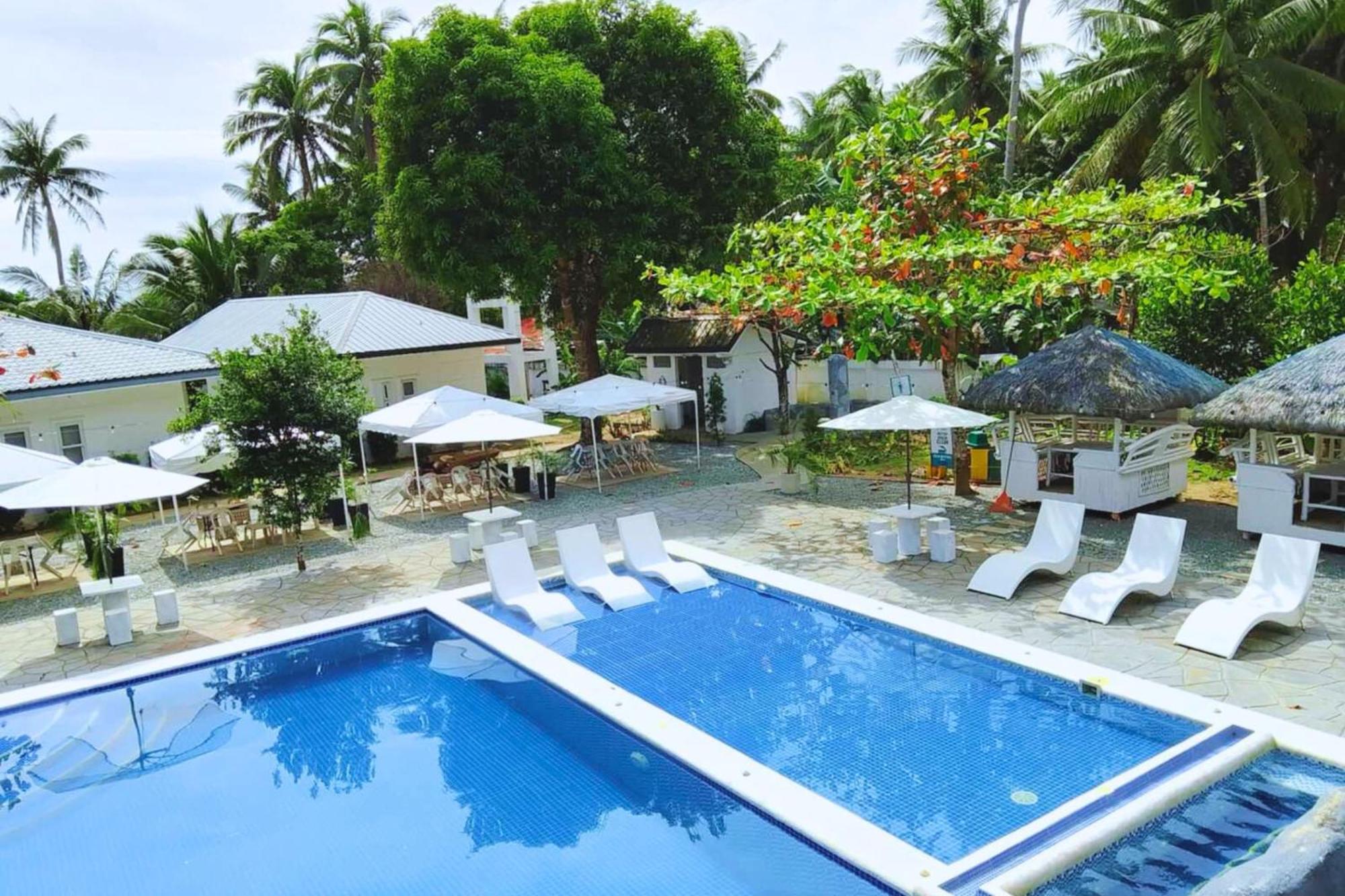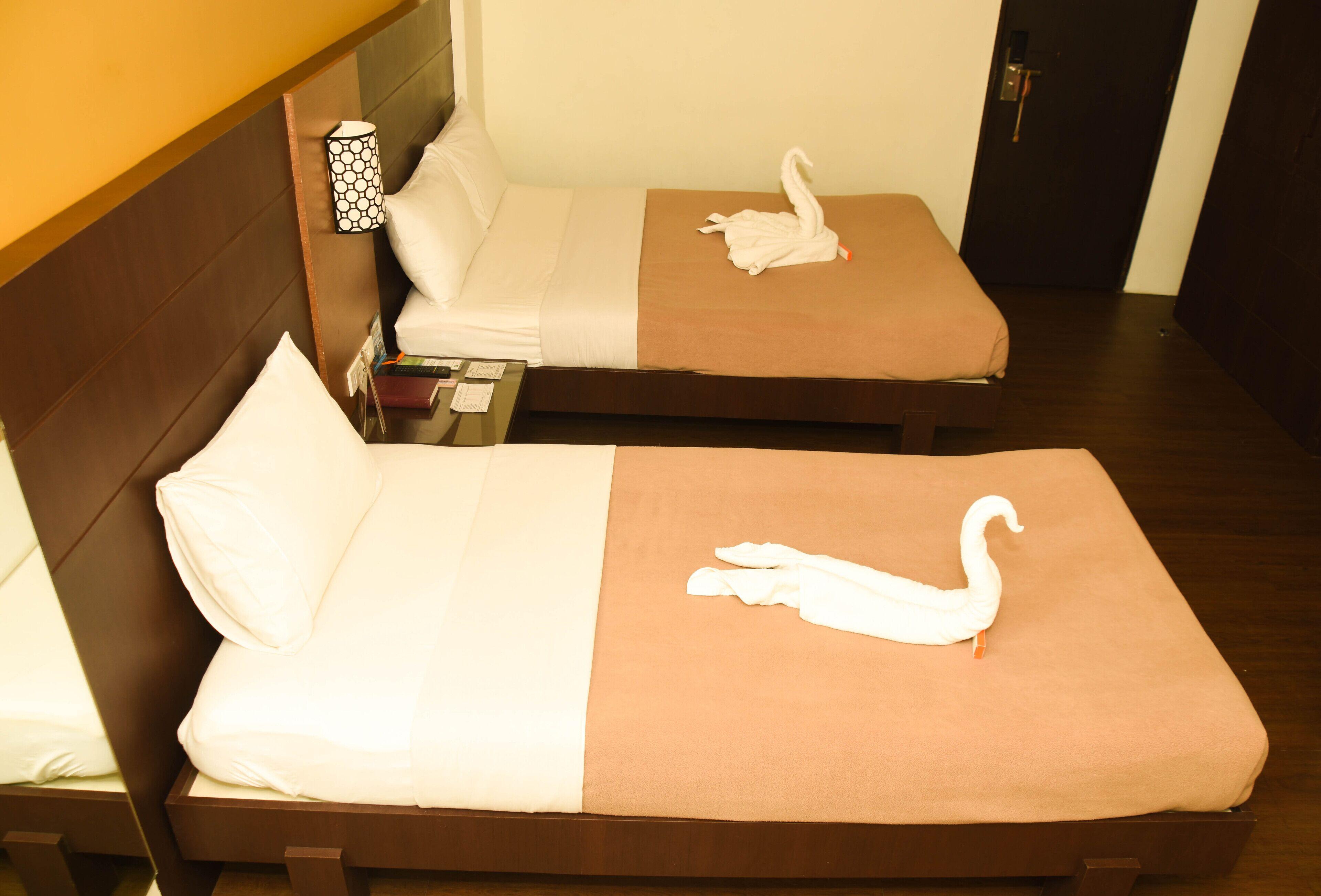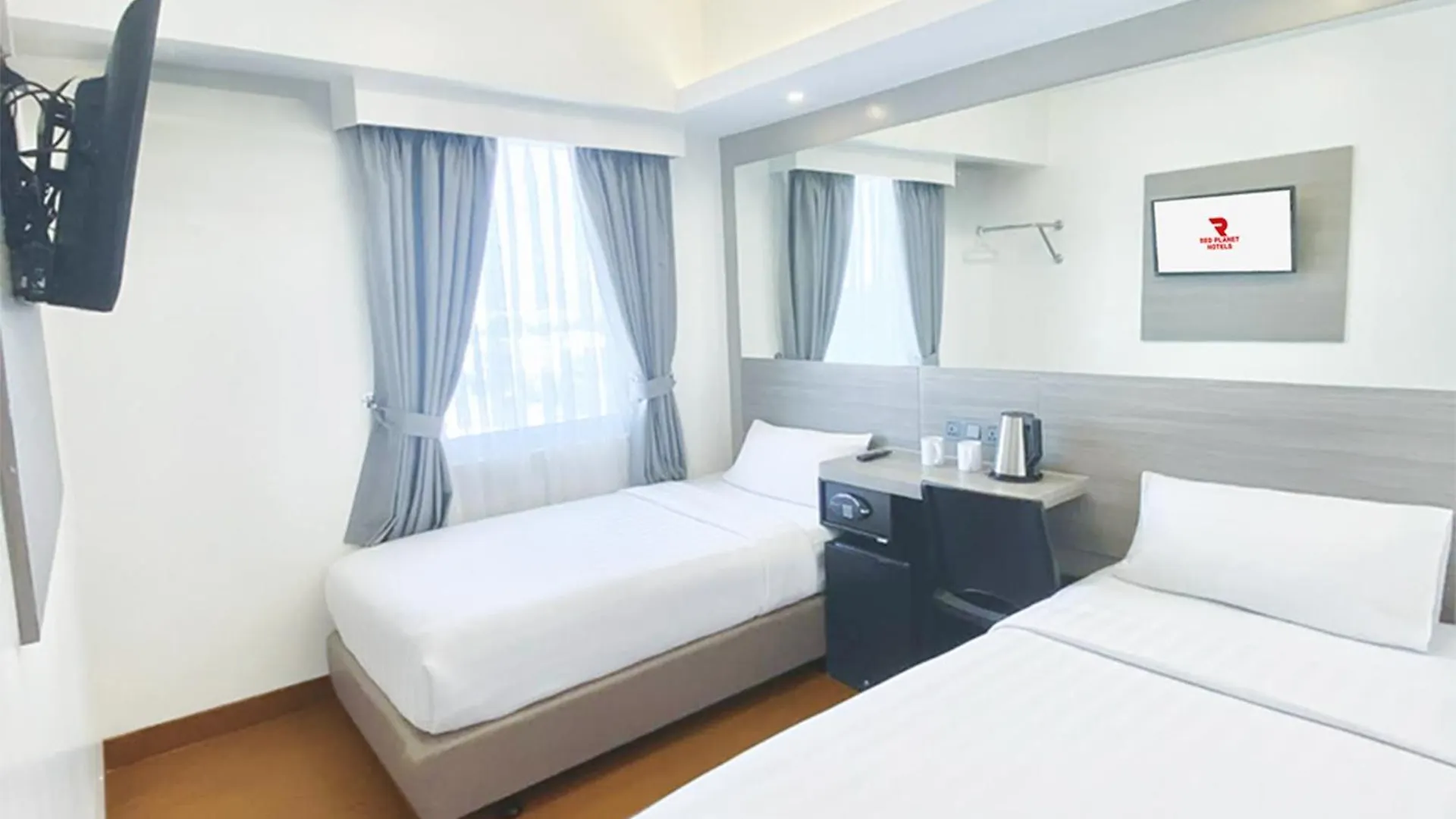
When traveling across the Philippines - an archipelago of over 7,600 islands with wildly different accommodation experiences - the quality of hotel staff can determine whether your trip runs smoothly or collapses under logistical chaos. From navigating ferry schedules to Malapascua Island to arranging tricycle transfers on Samal Island, hands-on, responsive hotel teams matter here more than in most destinations. This guide covers six hotels across the Philippines with standout staff ratings, helping you compare properties across Cebu, Davao, Baguio, Surigao, General Santos, and Mindanao before you book.
What It's Like Staying in the Philippines
The Philippines is a destination where the experience varies dramatically by island, season, and region - from the colonial streets of Cebu City and the cool highland air of Baguio to the volcanic-backed bays of Samal Island and the dive sites off Malapascua. Travel between islands requires planning, as ferries, boats, and domestic flights add significant logistics to any multi-destination trip. Most tourist-facing staff in the Philippines speak English fluently, which reduces communication friction considerably, but the quality of service still varies sharply between property types and locations.
Pros:
- English widely spoken across all hotel categories, making check-in, requests, and problem-solving straightforward
- Filipino hospitality culture translates into genuinely attentive service, particularly in resort settings
- Diverse landscapes - beach, highland, urban, and jungle - reachable from a single base city like Cebu or Davao
Cons:
- Inter-island travel adds unpredictability; boat cancellations due to weather are common, especially June through November
- Around 80% of popular coastal destinations see significant price spikes during Holy Week and peak summer, limiting last-minute options
- Typhoon season affects Visayas and Luzon disproportionately, with some resort areas becoming inaccessible for days at a time
Why Choose Hotels with High Staff Ratings in the Philippines
In a destination where logistics are genuinely complex - boat connections with nighttime restrictions, island ferry timings, remote resort transfers - a hotel team that proactively communicates and assists isn't a luxury, it's a functional necessity. Hotels rated highly for staff in the Philippines tend to outperform on exactly these practical touchpoints: airport shuttle coordination, tour desk reliability, and local knowledge that saves time and money. The service gap between budget and mid-range hotels here is wider than in more standardized markets like Thailand or Bali, so a high staff score is a more reliable quality signal than star rating alone.
Pros:
- Staff-rated hotels consistently provide more accurate local transport advice, especially critical for island-hopping routes and ferry connections
- Proactive service at top-rated properties often includes complimentary transfers and tour desk support not listed on booking platforms
- Butler or dedicated service at select resorts - like on Samal Island - means meals, activities, and logistics are handled without guest effort
Cons:
- High staff-rated properties in remote island locations may charge a premium of around 30% above comparable urban hotels for equivalent room size
- Small resort teams may be stretched thin during peak season, reducing response times even at otherwise well-reviewed properties
- Boutique hotels with strong staff scores may lack large hotel infrastructure - limited luggage storage, no concierge on overnight shifts
Practical Booking & Area Strategy for the Philippines
Cebu functions as the most practical base for multi-island exploration - Mactan International Airport connects to most domestic routes, and Malapascua, Bohol, and Oslob are all reachable within a day. For travelers prioritizing nature and seclusion over convenience, Samal Island near Davao and Malapascua Island off northern Cebu deliver dramatically different environments but require extra transfer planning. Baguio is the go-to for highland retreats, sitting at around 1,500 meters above sea level, making it genuinely cool year-round - a contrast to the lowland heat that defines most Philippine beach destinations. General Santos and Surigao are less tourist-saturated, meaning better value and less crowded experiences, though flight connections are fewer.
Choosing your base depends heavily on your priorities: Cebu for accessibility, Davao for organized nature trips to Mount Apo and Samal, Baguio for cultural and highland experiences, and Surigao for surf and marine biodiversity near Siargao and the Enchanted River. Book island resort properties at least 6 weeks ahead during Holy Week and summer peak, as shuttle services and private beach access fill before room availability runs out.
Hotels in Cebu & Malapascua Island
Cebu offers the widest accommodation range in the Visayas, from budget business hotels in the commercial district to remote island resorts accessible only by boat. These two properties cover opposite ends of that spectrum.
-
1. Red Planet Cebu
Show on map


 Check-infrom 14:00 until 23:59Check-outuntil 12:00
Just a few rooms left at the best rate!
fromPHP 1437
-
2. Tepanee Beach Resort
Show on map


 Check-infrom 15:00 until 22:00Check-outfrom 07:00 until 12:00
Just a few rooms left at the best rate!
fromPHP 4748
Hotels in Davao & Surigao
Southern Mindanao offers two contrasting beachfront experiences: the secluded bungalow setting of Samal Island near Davao and the coastline resort of Surigao, both backed by staff-driven service that handles the logistical complexity these locations demand.
-
1. Hof Gorei Beach Resort Davao
Show on map


 Check-infrom 14:00 until 18:00Check-outfrom 09:00 until 12:00
Hurry – almost gone at this price!
fromPHP 5498
-
4. Almont Beach Resort
Show on map


 Check-infrom 14:00 until 23:59Check-outuntil 12:00
Hurry – almost gone at this price!
fromPHP 3561
Hotels in Baguio & General Santos
Baguio's cool highland climate and General Santos' commercial convenience represent two of the Philippines' less-saturated destinations, each with a hotel that delivers strong service infrastructure for different traveler needs.
-
5. Giraffe Boutique Hotel
Show on map


 Check-infrom 14:00 until 23:59Check-outuntil 12:00
Rooms filling fast – secure the best rate!
fromPHP 6247
-
6. Grand Summit Hotel General Santos
Show on map


 Check-infrom 14:00 until 23:59Check-outuntil 12:00
Rooms filling fast – secure the best rate!
fromPHP 5373
Smart Travel & Timing Advice for the Philippines
The Philippines has a peak travel window running from late November through May, with the driest and most predictable weather concentrated between December and April. Holy Week in March or April is the single busiest travel period nationwide - domestic flights and island resort availability collapse within days of the dates being confirmed, and prices at beachfront properties can surge by around 40%. Booking coastal resorts at least 6 weeks ahead during this window is essential, particularly for Malapascua, Samal Island, and Surigao, where accommodation supply is limited by geography.
June through October brings typhoon risk primarily to Luzon and the Visayas, while Davao and General Santos in Mindanao are statistically less affected and remain more reliably accessible. For Baguio, the highland climate stays cool and relatively dry from November through February - the most comfortable window for exploring the city on foot. A minimum of 3 nights per island base is the realistic threshold for getting past travel-day logistics and actually experiencing the destination; shorter stays at remote resorts like Tepanee or Hof Gorei rarely justify the transfer effort. Last-minute deals are rare across the Philippines compared to mainland Southeast Asia - supply is genuinely constrained on smaller islands, and staff-rated properties with shuttle services fill months in advance during peak season.
Frequently Asked Questions
Which of these hotels offers the best value for money relative to service quality?
Red Planet Cebu delivers the most stripped-down but reliable urban stay at the lowest price point, with consistent staff availability through a 24-hour front desk. For beach stays, Almont Beach Resort in Surigao stands out for value - the complimentary two-way airport transfer alone offsets a meaningful part of the room cost compared to self-arranged transport.
Which hotel has the most distinctive staff service model?
Hof Gorei Beach Resort on Samal Island operates with a dedicated butler assigned per guest - a service model unusual at this price tier in the Philippines. This means proactive coordination for meals, activities, and the multi-step transfer from Davao, rather than reactive front-desk assistance.
When is the best time to book these properties to get good availability and reasonable rates?
For island properties like Tepanee Beach Resort and Hof Gorei, book at least 6 weeks ahead between December and April. For urban hotels like Red Planet Cebu and Grand Summit General Santos, 2 to 3 weeks ahead is usually sufficient outside of Holy Week and major local festivals.
Which destination is easiest to reach for a first visit to the Philippines?
Cebu is the most accessible entry point, with direct international flights into Mactan International Airport and strong domestic connections onward. Red Planet Cebu sits in the commercial district with easy access to landmarks, while Tepanee Beach Resort is a logical add-on extension once you're already based in Cebu.
How long should I stay at island resorts like Tepanee or Hof Gorei to make the transfer worthwhile?
A minimum of 3 nights is the practical threshold. Reaching Malapascua from Cebu City takes around 6 hours by land plus 45 minutes by boat; Samal Island from Davao requires a ferry and tricycle connection. One or two nights don't justify the effort or logistics.
Are these hotels suitable for solo travelers, or are they skewed toward couples and groups?
Red Planet Cebu and Grand Summit General Santos work well for solo travelers given their urban locations and single-room availability. Resort properties like Tepanee and Hof Gorei are heavily oriented toward couples and small groups - the butler service and beachfront dining experience at Hof Gorei, in particular, is designed around a more intimate travel format.
Does the typhoon season affect all these hotel locations equally?
No. Davao and General Santos in Mindanao sit outside the main typhoon belt and are statistically less disrupted June through November. Cebu and Malapascua in the Visayas, and Surigao on the Mindanao-Visayas border, carry higher weather risk during this window. Baguio is typhoon-prone from July through October due to its northern Luzon position.
Which hotel is best for travelers who need meeting or business facilities?
Almont Beach Resort in Surigao specifically lists meeting and banqueting facilities, making it the most equipped for business travel among these six properties. Grand Summit General Santos also serves the commercial district and caters to corporate visitors given its proximity to Robinsons Place.